Firefly begins Blue Ghost flight and completes initial spacecraft commissioning
Firefly Aerospace reports a successful launch, spacecraft separation and initial commissioning for Blue Ghost Mission 1, with lunar landing still ahead.
Published Jan 16, 2025
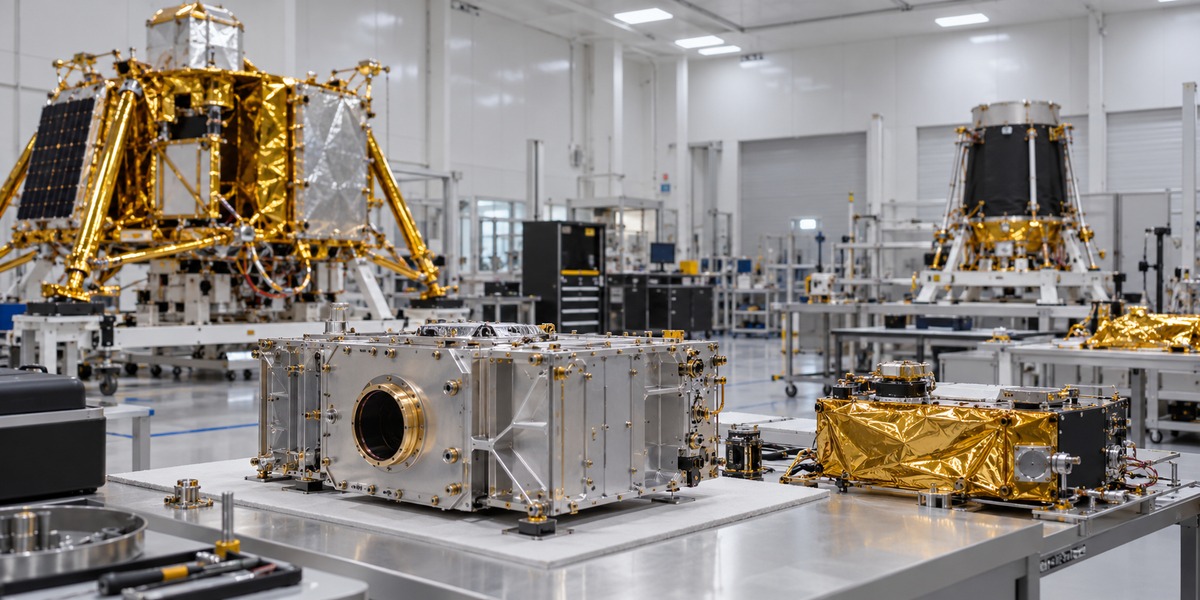
A flight under NASA’s commercial lunar programme
Firefly Aerospace’s Blue Ghost Mission 1 lifted off on 15 January 2025 at 1:11 a.m. Eastern Standard Time. A Falcon 9 carried the lunar lander from Launch Complex 39A at Kennedy Space Center in Florida.
The flight is part of NASA’s Commercial Lunar Payload Services initiative and its Artemis campaign. Ten NASA science and technology instruments aboard the lander are intended to further understanding of the Moon. They also aim to help the agency develop capabilities for exploration ahead of human missions on the lunar surface.
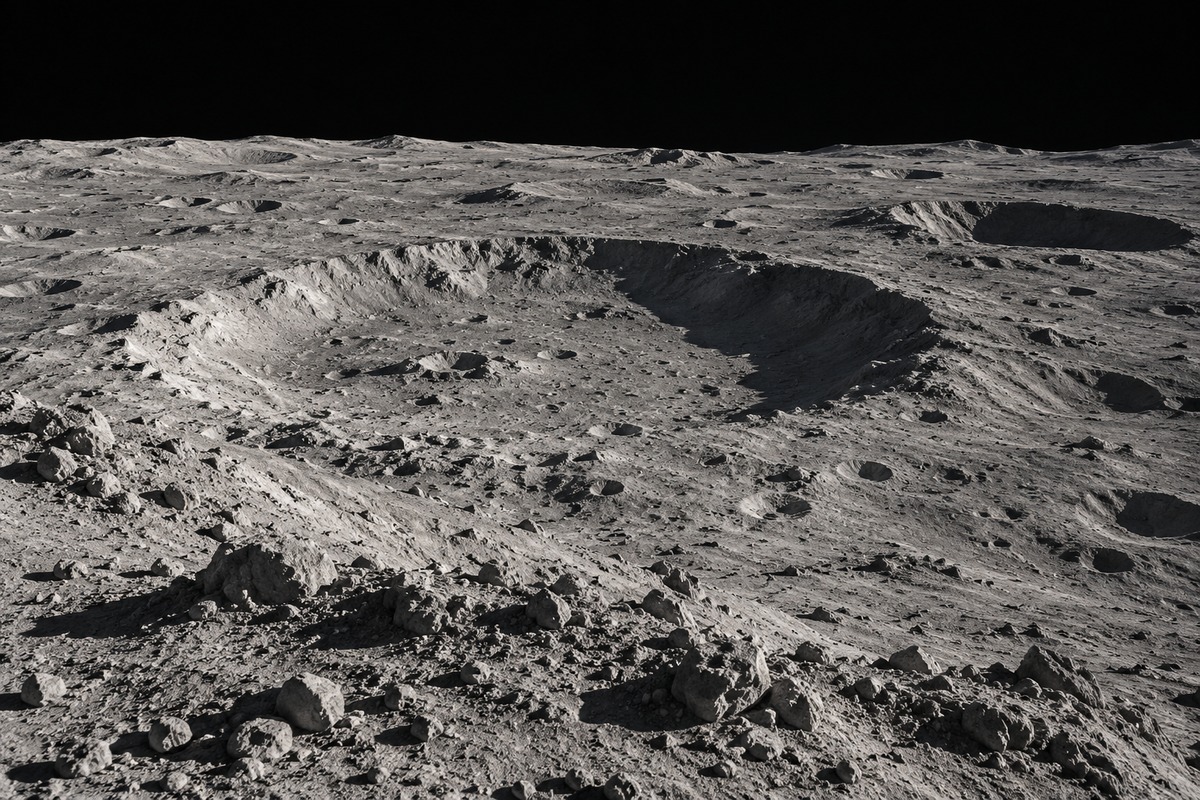
Separation, communications and commissioning
Firefly reported separation from the rocket at 2:17 a.m. Eastern Standard Time on 15 January. Mission control in Cedar Park received a signal at 2:26 a.m. The company said initial commissioning was complete by 5:30 a.m.
Commissioning included attitude determination and control checks, a higher communications data rate, a power-positive attitude and initial health checks. The operator published its account at https://fireflyspace.com/news/firefly-aerospaces-blue-ghost-mission-1-successfully-launches-and-begins-45-day-transit-to-the-moon/.
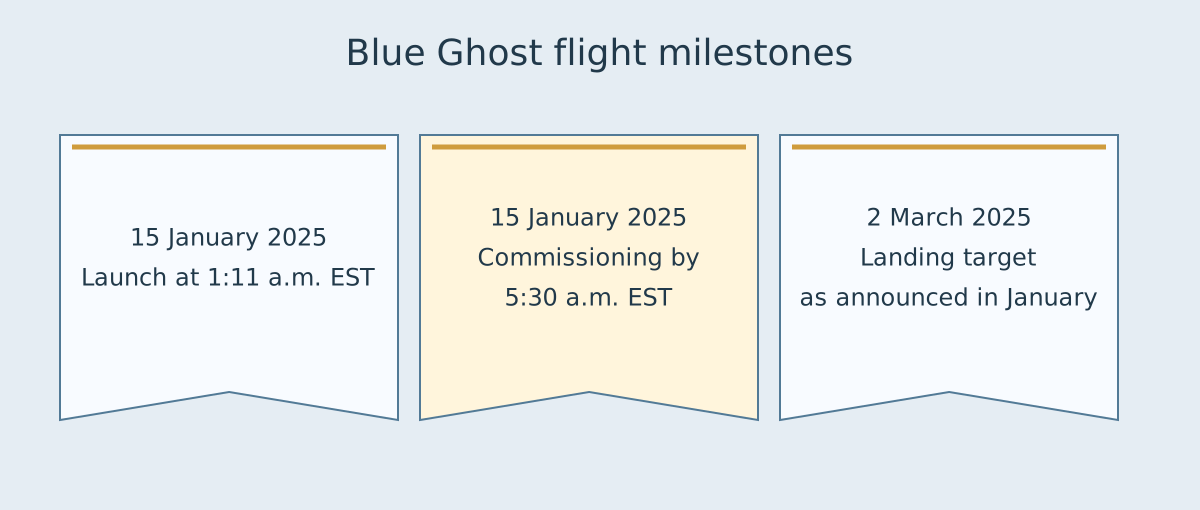
Illustration details
- Blue Ghost flight milestones
- 15 January 2025
- Launch at 1:11 a.m. EST
- 15 January 2025
- Commissioning by
- 5:30 a.m. EST
- 2 March 2025
- Landing target
- as announced in January
The route and the landing target
Firefly planned approximately 25 days in Earth orbit, four days in transit and 16 days in lunar orbit before landing.
The landing target was 2 March 2025 in Mare Crisium. The lander carried 10 NASA science and technology instruments, with a surface programme intended to last about 14 Earth days. That schedule was prospective when the launch was announced. The planned investigations included:

- Lunar drilling and regolith sampling.
- Satellite navigation and computing under radiation.
- Dust processes and space-weather observations.
The operator’s wider services
At the announcement, Firefly held four NASA CLPS task orders, alongside launch and on-orbit services.
During the Earth-to-Moon transit, LuGRE was scheduled to monitor GPS signals to help extend satellite navigation capabilities to the lunar surface. RadPC was due to begin demonstrating a computer’s ability to withstand radiation in space. Firefly also planned subsystem health checks and propulsion-system calibration during the orbital phases, ahead of critical manoeuvres and payload science operations.
Company and enquiries
Company: Firefly Aerospace.
Enquiries: https://fireflyspace.com/contact-us/
Website: https://fireflyspace.com/






Leave a comment